Closure wig vs frontal wig: which is easier to wear
This guide is for anyone buying a lace wig — first one or fifth — who wants to know whether a closure wig or a frontal wig is the easier option to put on, wear through a normal week and look after.
Suvita Hair team, DelhiPublished 6 min read
Quick answer: The closure wig is easier to wear. Its lace piece is small and sits at the parting, so there is much less hairline to blend, it often needs no adhesive at all, and it goes back on quickly. A frontal wig gives you an ear-to-ear hairline and the freedom to pull your hair back, but it asks for more practice, usually adhesive or a band, and more regular upkeep.
What each one actually is
Both are lace wigs: a complete head of hair on a cap. At SUVITA HAIR each one is built from two 100 g bundles sewn onto a medium cap behind a hand-ventilated lace piece. The difference is the size of that lace piece and where it sits on your head.
Closure wig
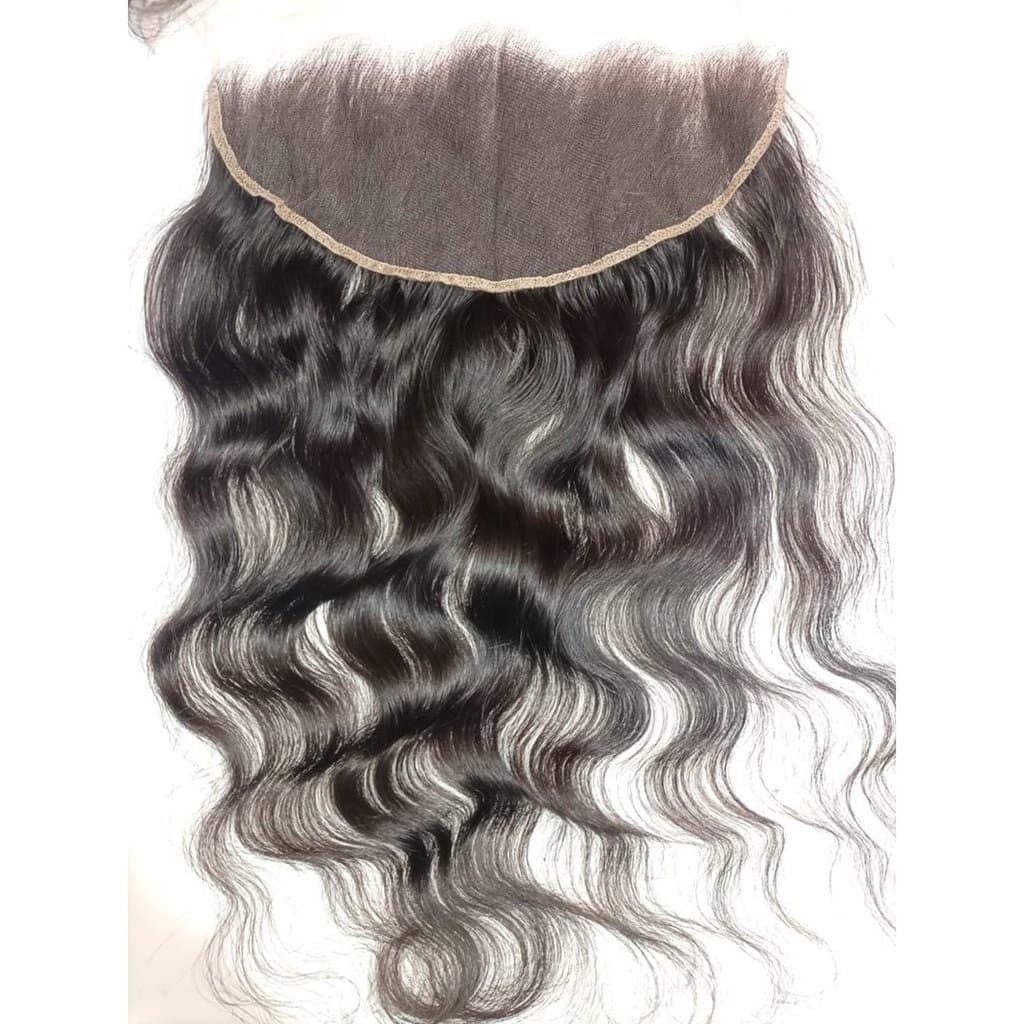
A lace closure wig is finished with a closure — a hand-ventilated piece of Swiss lace with hair knotted through it, sized 4x4, 5x5, 5x3 or 5x4 inches. It covers the parting area at the crown. Everything in front of and around it is closed cap, so the wig has a defined front edge rather than a full hairline. Closures are often worn with no adhesive at all.
Frontal wig
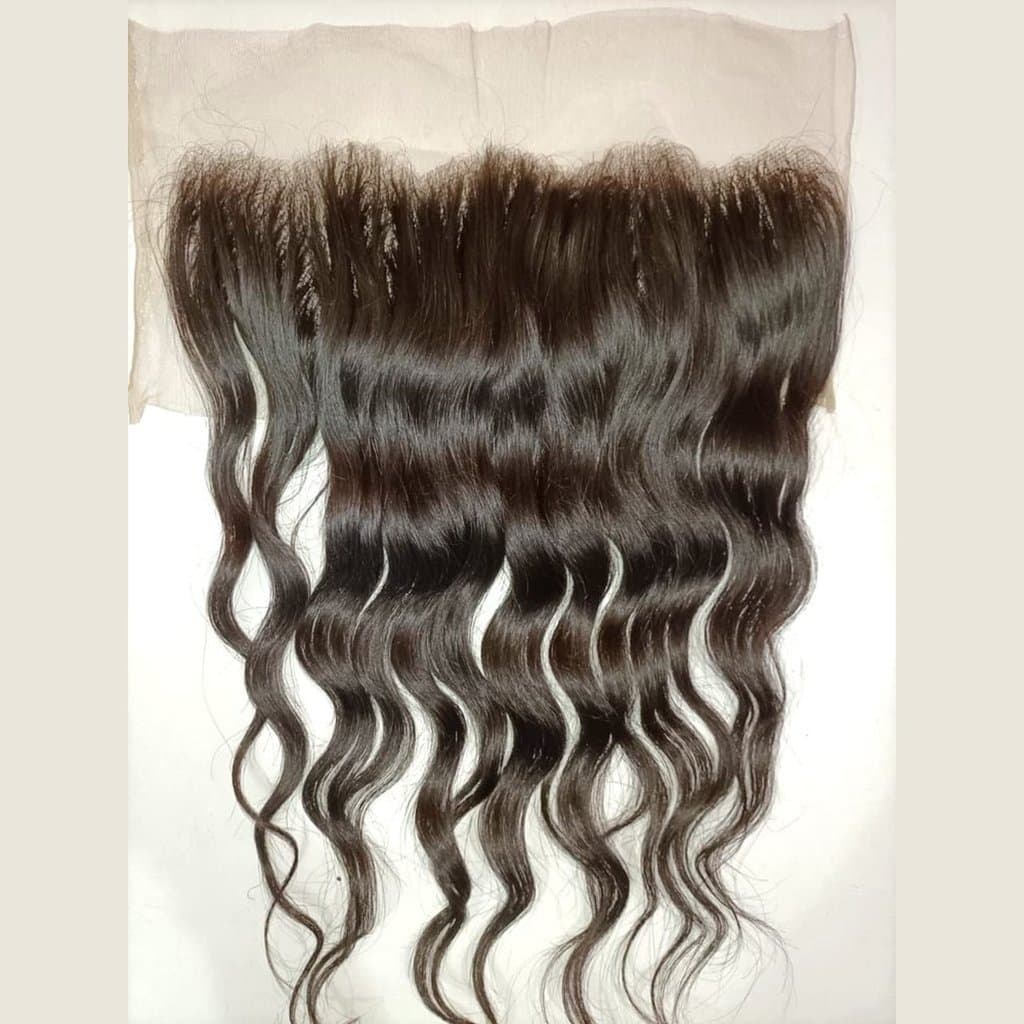
A lace frontal wig is finished with a frontal — the same Swiss lace construction, but 13x4 or 13x6 inches, running ear to ear along the hairline. That means the lace follows your whole forehead, and you can part the hair anywhere across the front and pull it back into a ponytail or updo.
Why the closure wig is the easier one to wear
There is far less lace to blend
With a closure, the only lace touching your skin is a small patch at the parting. You are blending a short section, not a full hairline, so small imperfections are much harder to see. A frontal runs the length of your forehead, and every millimetre of that edge is on show.
It usually needs no glue
Most people wear a closure wig with the cap secured by the adjustable straps and combs inside, or with a band. A frontal is normally fixed with adhesive or a band because the hairline has to sit flat and stay put. Glue means more preparation, more clean-up and more chance of lifting at the edge.
Upkeep is lower and reinstalling is quicker
A closure needs little attention between wears. A frontal's hairline needs regular care — cleaning off adhesive residue, re-laying the lace, keeping the knots from lifting. If you take your wig off most nights, that difference adds up fast.
It is the friendlier place to start
If you have never installed lace before, a closure lets you learn how the cap sits, how much hair to leave out and how to style around the lace, without the pressure of a visible hairline. Once that feels routine, moving to a frontal is a much smaller step.
Where the frontal wig earns its extra effort
A frontal is not simply the harder option — it does things a closure cannot:
- Parting freedom. With a closure you can part within the lace only. With a frontal you can part anywhere across the front.
- Hair up. Ponytails, buns, half-up styles and slicked-back looks all need an ear-to-ear hairline. A closure wig cannot really do these.
- A more natural front edge. For people who wear their hair away from the face most days, the frontal's full hairline is the whole point.
- More styling range overall. Braids, sleek styles and deep side parts all sit better with lace running the full width.
If those are the styles you actually wear, the extra practice is worth it. If you mostly wear your hair down or in a side-swept style, a closure does the job with less fuss.
Two details that change how easy either wig feels
HD lace or transparent lace
Both are available at the same price. HD is the thinnest lace and the most invisible on most skin tones, but it is delicate and needs a careful hand. Transparent lace is slightly thicker, more forgiving across re-installs and easier to learn on; on medium and deeper skin tones it often needs tinting, while HD usually needs little or none. Beginners are generally happier starting with transparent lace.
Cap style, length and texture
A glueless wear-and-go cap or a headband wig removes adhesive from the equation entirely, whichever lace piece you choose. Length matters too: a longer, heavier wig takes more styling time and puts more weight on the cap, and textured patterns read shorter than straight hair — a deep wave or curly wig looks roughly two to three inches shorter than its stated length. Our hair guide sets out textures, shades, lengths and lace in one place.
How to decide in a minute
- If you want the quickest, lowest-maintenance wig and wear your hair down most days, choose a closure wig.
- If you wear ponytails, buns or slicked-back styles, choose a frontal wig and plan for practice time or a stylist.
- If you are new to lace and nervous about glue, start with a closure wig in transparent lace, or a glueless cap.
- If you are unsure about the lace, order a sample first so you can feel the difference before committing.
You can compare the full range in our wigs collection, which starts from $124, or look at closures and frontals from $36 if you would rather build a sew-in with a closure or frontal piece instead of a ready-made wig. For a closer comparison of the two lace pieces themselves, our journal guide on lace closure vs lace frontal goes through coverage, sizing and installation side by side.
Ordering, timing and care
Every wig is 100% Remy Indian human hair, cuticle-aligned root to tip, and with proper care any quality lasts three to five years. Made-to-order items take three to five days of production; in-stock items are dispatched in two to three working days after payment. Delivery is by DHL Express door to door worldwide, charged at the actual DHL cost shown at checkout, and takes five to seven business days, or seven to ten for remote areas. Terms are DAP, so any import duty or tax is paid by the buyer on arrival. You can pay by card through Razorpay or by bank transfer. Manufacturing defects are replaced if reported within seven days of delivery with photos; there are no returns on hair once it has been opened or customised.
Still torn between the two? Send a photo of your hair on WhatsApp and tell us how you usually wear it — down, up, parted where — and we will tell you which lace piece suits your routine, along with the texture, length and quantity that fit.
Frequently asked questions
- Is a closure wig easier than a frontal wig for a complete beginner?
- Yes. A closure covers only the parting area, so there is a small patch of lace to blend rather than a full hairline, and it often needs no adhesive. Most beginners find it the simpler first install.
- Can I pull a closure wig into a ponytail?
- Not really. A closure sits at the crown, so the hairline in front of it is closed cap. Ponytails, buns and slicked-back styles need the ear-to-ear lace of a frontal wig.
- Do I need glue for a frontal wig?
- Usually yes, either adhesive or a band, because the hairline has to sit flat and stay in place. Some glueless caps and headband styles avoid adhesive, but a traditional frontal is normally fixed at the front.
- Which lace should I choose for my first wig?
- Transparent lace is the easier starting point: it is slightly thicker than HD, more forgiving across re-installs and more tolerant of handling. HD is thinner and more invisible but delicate, and it costs the same either way.
- How long will the wig last?
- With proper care, three to five years — the same for a closure wig and a frontal wig. How often you re-lay the hairline is a separate matter from how long the hair itself lasts.
Written by the Suvita Hair team in Delhi. Suvita Hair Global Pvt Ltd makes and exports 100% Remy Indian human hair. Questions about this guide: WhatsApp or sales@suvitahair.com.