Lace closure vs lace frontal: which one fits your install
One covers the parting, the other the whole hairline. What that means for styling, upkeep and how many bundles you need.
Suvita Hair team, DelhiPublished 4 min read
Closures and frontals do the same basic job: they finish an install so that the top of the head looks like hair growing from the scalp, and none of your own hair needs to be left out to blend. The difference is how much of the head they cover, and that one difference affects how you can style the hair, how much upkeep it needs and how the install is done.
What a closure is
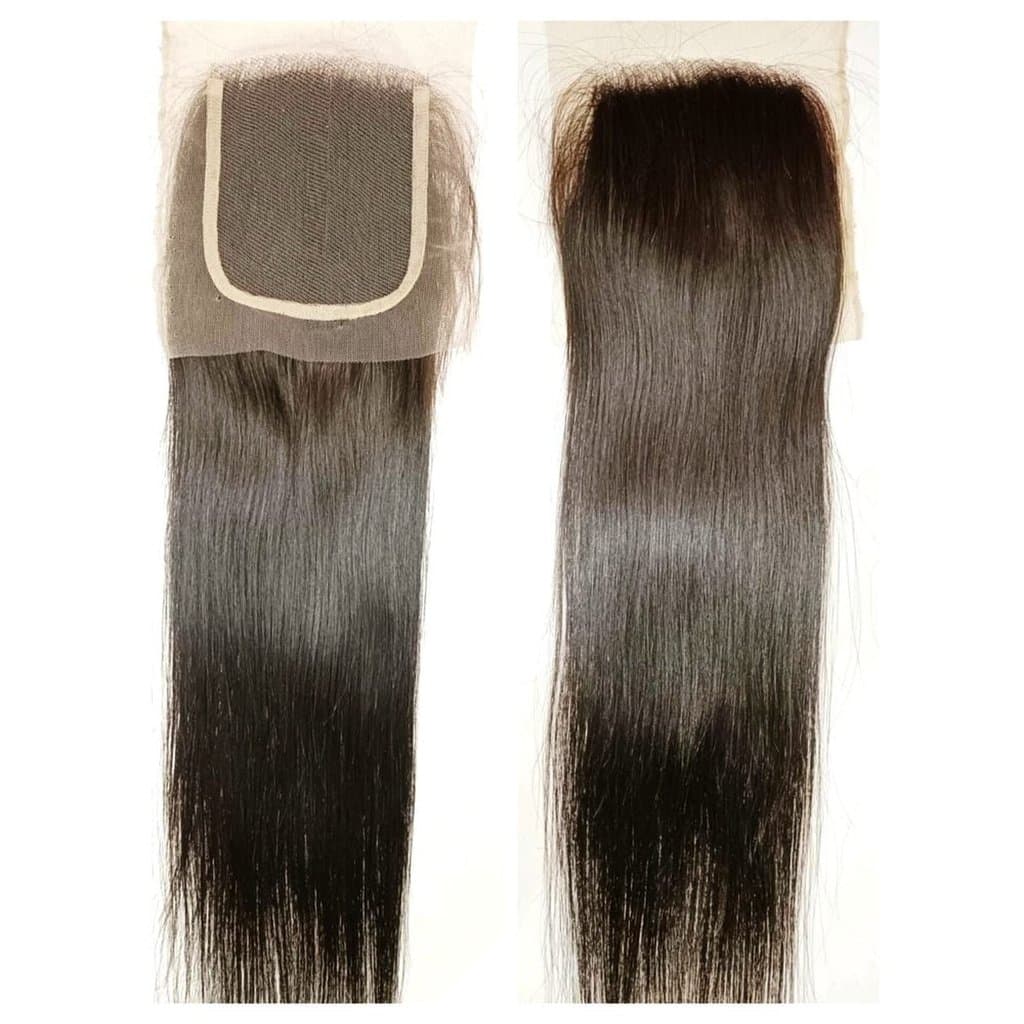
A lace closure is a small square or rectangle of lace with hair hand-knotted into it. It sits at the crown, over the area where you would part your hair, and the bundles are sewn around and behind it.
Common sizes are 4x4 and 5x5 inches, with 5x3 and 5x4 as alternatives. The first number is the width across the head, the second how far it reaches back. A larger closure gives you more room to move your parting.
- Parting: a middle part or a side part within the lace area. You cannot part outside the lace.
- Hairline: the front of the install is formed by the bundles, so the hair is usually worn down and forward, not scraped back.
- Install: simpler. A closure is often sewn down with no adhesive at all, and is a common choice for glueless closure wigs.
What a frontal is
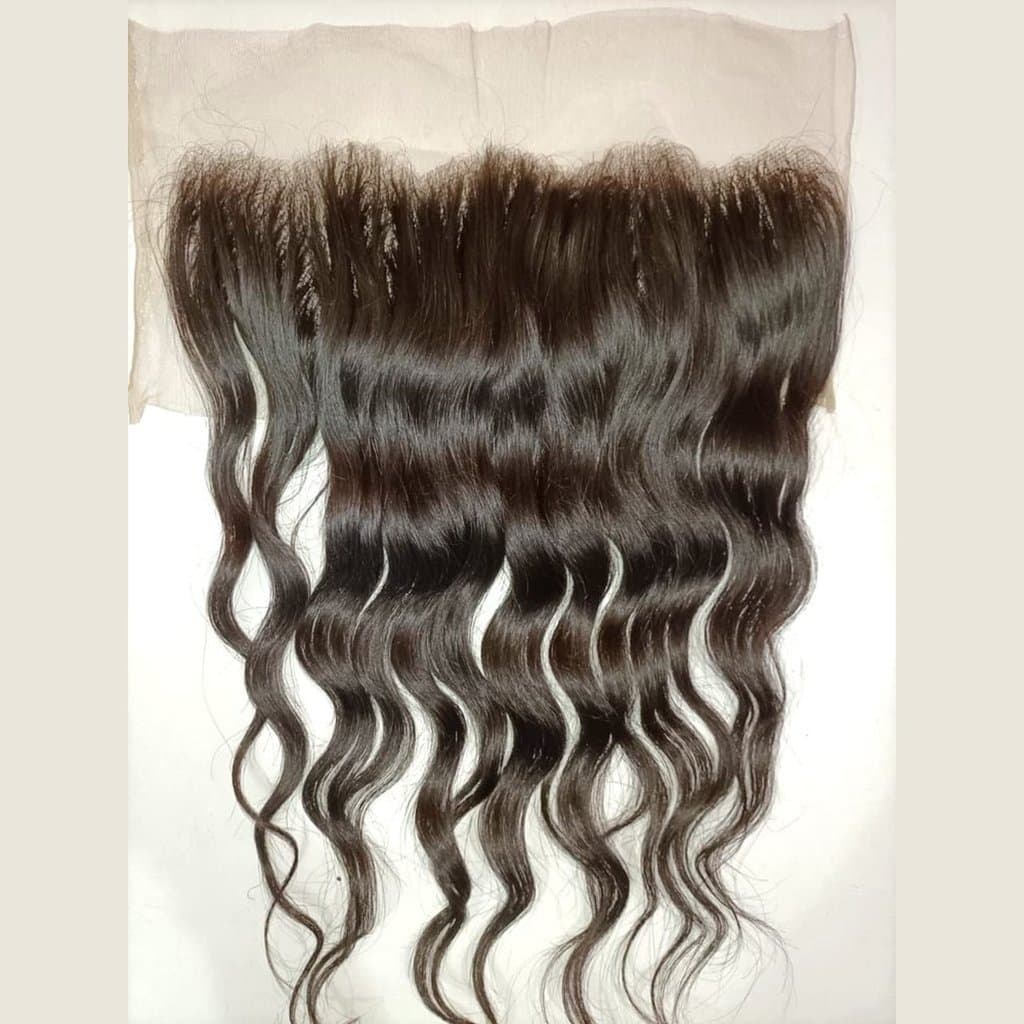
A lace frontal is a strip of lace that runs from ear to ear along the hairline. The common sizes are 13x4 and 13x6 inches: thirteen inches across the front, and four or six inches back.
- Parting: anywhere across the front, including deep side parts, a middle part or no part at all.
- Hairline: the whole visible hairline is lace, so you can wear the hair pulled back, in a high ponytail or behind the ears.
- Install: more involved. The lace has to be cut and laid along the whole hairline, usually with adhesive or a band, and it needs more care to keep looking natural.
A 13x6 frontal reaches further back than a 13x4, which allows deeper parts and more styling freedom at the crown, at the cost of more lace to lay and maintain.
Side by side
| Closure | Frontal | |
|---|---|---|
| Covers | The parting area at the crown | Ear to ear along the hairline |
| Common sizes | 4x4, 5x5, 5x3, 5x4 in | 13x4, 13x6 in |
| Parting freedom | Within the lace only | Anywhere across the front |
| Hair pulled back | Not really | Yes |
| Adhesive | Often none | Usually adhesive or a band |
| Upkeep | Low | Higher; hairline needs regular care |
| Skill to install | Beginner-friendly | Needs practice or a stylist |
Which suits your install
Choose a closure if
- you mostly wear one parting and wear your hair down;
- you want the lowest-maintenance finish, or are installing yourself for the first time;
- you prefer to avoid adhesive near the hairline;
- you want the piece to last through more installs with less wear on the lace.
Choose a frontal if
- you like to change your parting or wear the hair back;
- you want the hairline itself to be visible;
- you are comfortable laying lace, or work with a stylist who is;
- you accept more regular upkeep in return for more styling freedom.
What the install involves
A closure install is mostly sewing. Your hair is braided flat, the bundles are sewn onto the braids in rows, and the closure is placed last at the crown and stitched around its edge. Some people add a little adhesive at the front for a flatter finish, but many skip it. The whole job can be done at home with patience and a curved needle.
A frontal install has more steps. The lace is measured against your hairline, cut close to it in small zig-zag strokes, and laid flat with adhesive, a gel or an elastic band. The baby hair is styled, and the parting is shaped by hand. It is the part of the install that decides whether the hairline looks real, so if you have never laid lace before, it is worth having a stylist do the first one while you watch.
How it changes the rest of your order
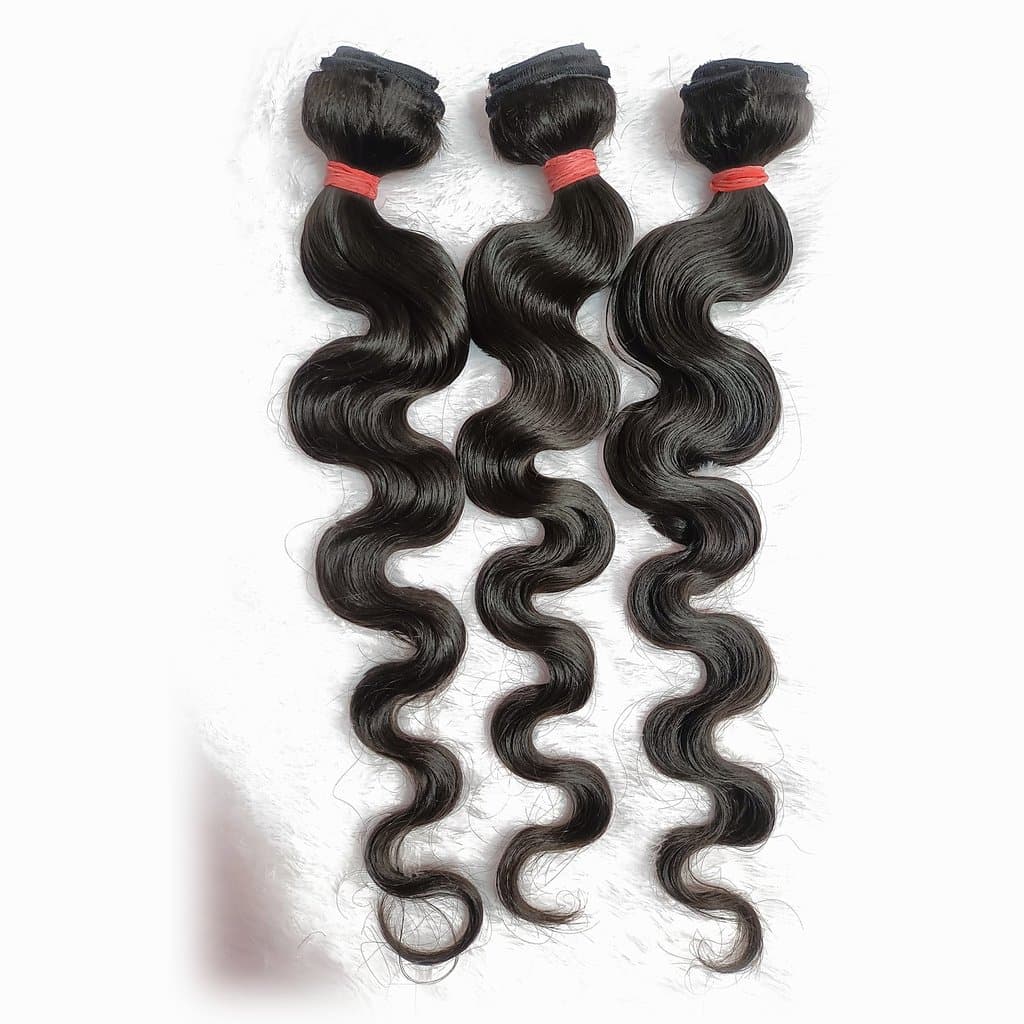
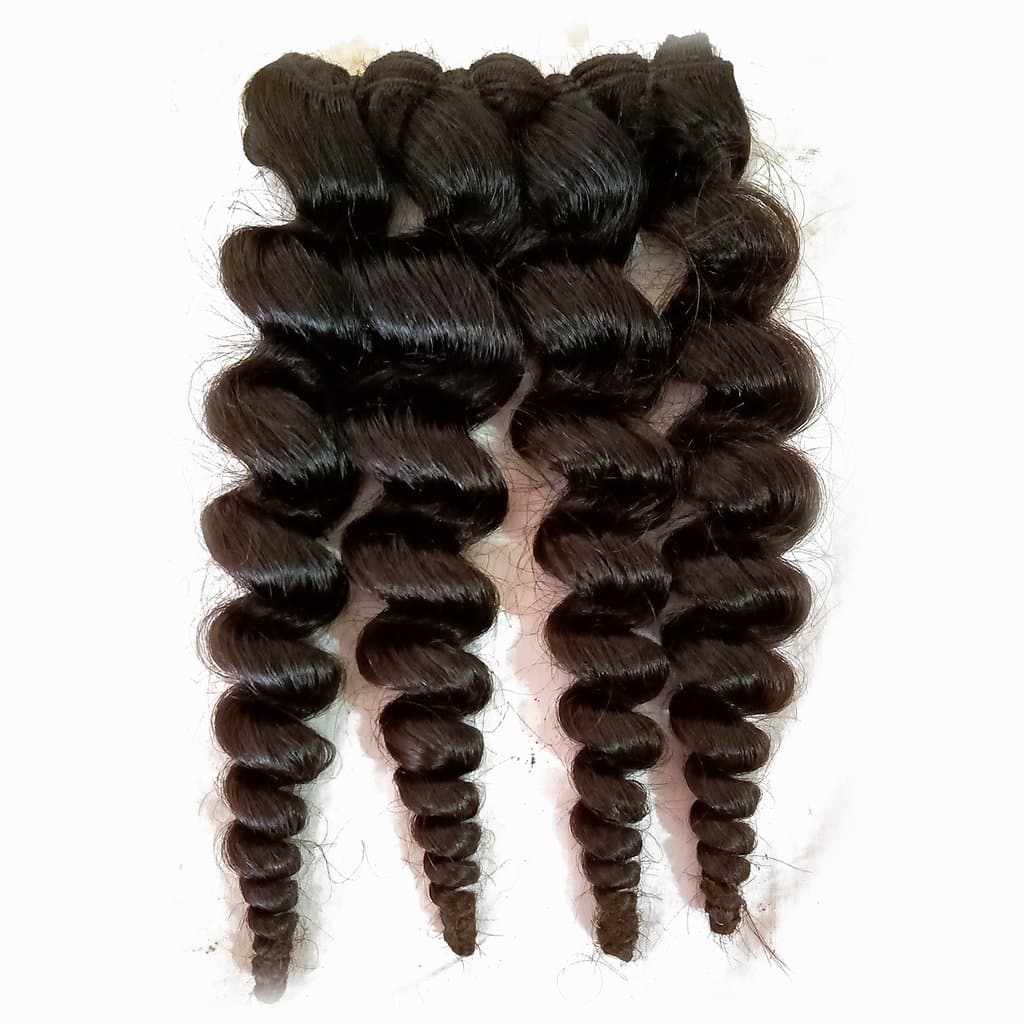
Either piece is bought in addition to bundles; it finishes the install but does not replace the hair on the rest of the head. In most cases the bundle count is the same whichever you choose. Our guide on how many bundles you need gives numbers by length.
Match the closure or frontal to the bundles: the same texture and the same shade. Many people choose a closure or frontal one length shorter than the longest bundle, because the hair on the lace sits at the top of the head and falls a shorter distance.
Then decide on the lace itself. HD lace is thinner and more invisible; transparent lace is a little sturdier and easier to learn on. The trade-offs are covered in HD lace vs transparent lace.
Making either piece last
- Keep conditioner off the lace and the knots; it loosens them over time.
- Remove adhesive gently with remover. Never peel lace off dry or in a hurry.
- Do not over-pluck the hairline. A little plucking softens it; too much leaves gaps that cannot be refilled.
- Sleep in a satin scarf or bonnet so the lace and baby hair are not rubbed against a pillow.
With good care, the hair on a closure or frontal behaves like the rest of the install. The lace is the part that shows wear first, so gentle installation and removal make the biggest difference to how long it looks fresh.
Written by the Suvita Hair team in Delhi. Suvita Hair Global Pvt Ltd makes and exports 100% Remy Indian human hair. Questions about this guide: WhatsApp or sales@suvitahair.com.